Propping up the Programmes
Inside the props department at Associated-Rediffusion
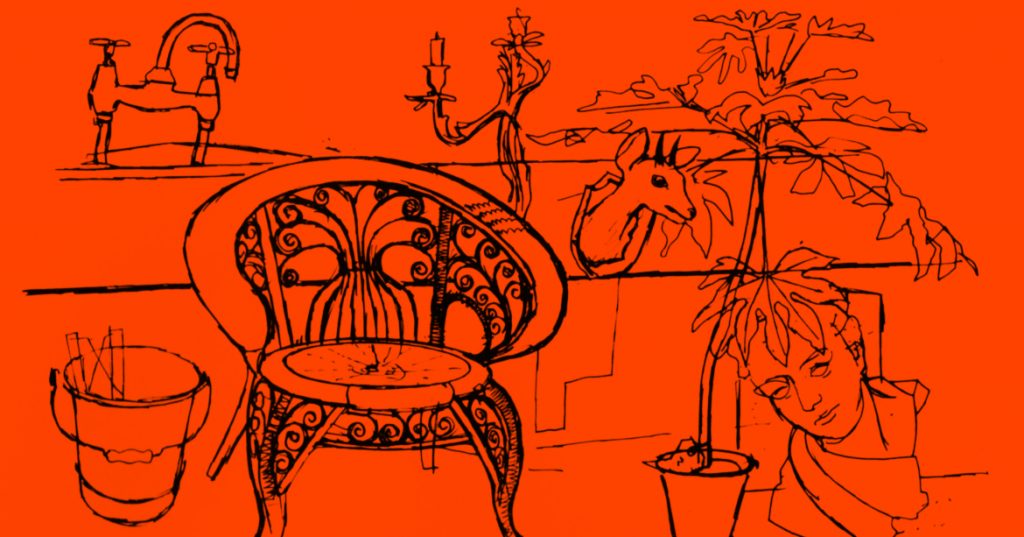

Production buying of props is more than a full-time occupation for the four people in Room 103 – yet the department has also to keep abreast of current trends in fashion and design, both at home and abroad, and find time to delve into the past.
Attention to detail is just as essential in a children’s programme as in a drama, while light entertainment has its own problems – anything from a pin to a steamroller can be the responsibility of the buyers for programmes.
Every prop for every production has to be found and hired or bought. The range of items is vast, the only limit being the scriptwriter’s imagination. A buyer’s knowledge has to be equally extensive and he, or she, must have an acquisitive mind.
In the last four-and-a-half years almost every conceivable setting has been given reality, for the object of buying is to complete the setting conceived by a designer. Team-work is the key not only within the department, but also between us and the designer and stage manager. Props have to be visually ‘probable’ and technically ‘possible’. The most authentic piece of furniture is more than useless if it does not conform with the director’s action.
So many props are used by television and film studios (Associated-Rediffusion hires 50 per cent of the props it needs) that intense competition has arisen. Often there appear to be runs of similar settings demanding similar props. This means that the perfect piece may not be available and the whole setting may have to be drastically altered as a result.
Two main points govern the choice of any item of furniture – suitability of style and size (or weight) – but there has to be a certain amount of license when a compromise as to workability has to be made.
To ensure accuracy much research has to be carried out in the short period between receiving a script and props requisition and the actual hiring of furniture. Often the lapse of time is all too short because an idea must have crystallised out of the many discussions that have occurred before the buyer and designer set out to find the furniture.
Our main sources of supply are scattered over the Greater London area, so 30-40 miles of driving may be involved to find a single item. It can be a lot farther for we have gone as far away as Bournemouth and Stafford for particular programmes. Suppliers have a tendency to specialise only in certain items of a style or period, with the result that it may be necessary to visit 30 firms to furnish one set.
An idea of the tempo of this seemingly leisurely procedure can be obtained from the fact that approximately 24 programmes, amounting to some 13 hours of transmission, are dealt with each week, together with two or three days’ outside filming and sometimes 12 rehearsals, all of which need props.
As everyone expects priority, the decision as to how to allocate our time can be difficult. Yet we have placed around 40,000 orders since September, 1955, and coped with innumerable phone calls and letters from viewers regarding props used in the previous night’s programmes.
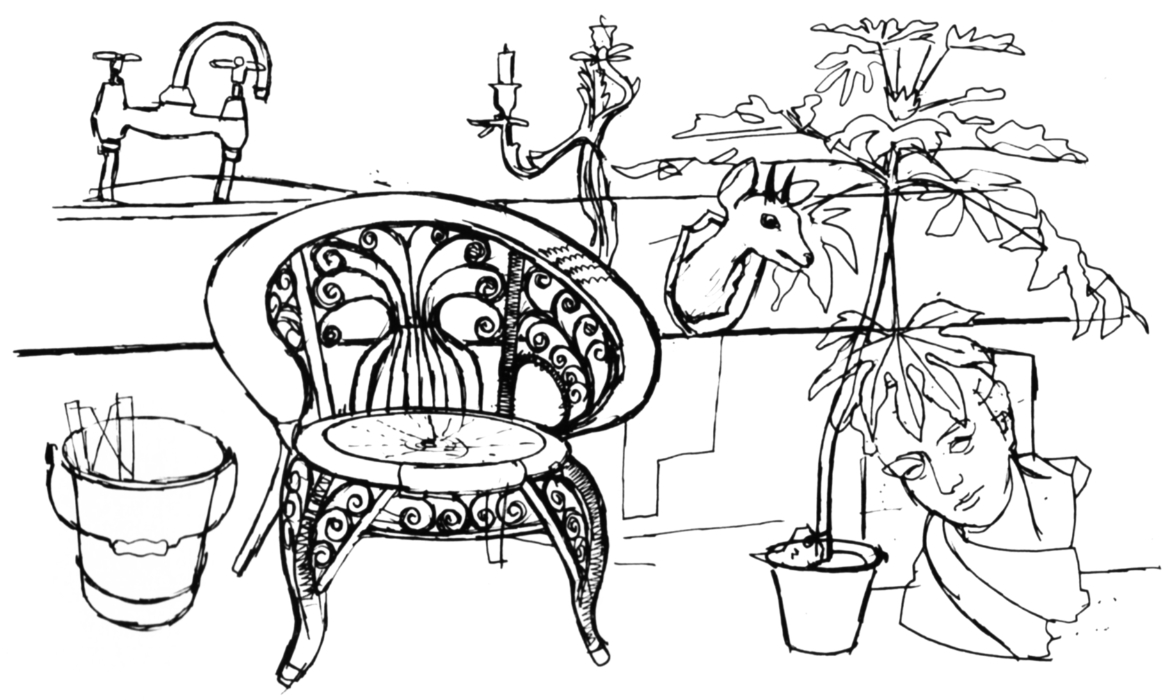
We, that is Peter Macfarlan, David Lusby, Thelma Clifford and myself, feel that working on so many levels, it is difficult to pinpoint any highlights in our own personal experiences. Light entertainment has caused many posers with such programmes as ‘Cool for Cats’, ‘Educating Archie’, ‘Life with the Lyons’ and in the distant past ‘The Goons’. The extreme accuracy needed for schools programmes and drama is also applicable to children’s with their period dramas. Advertising magazines can also be a frequent source of headaches.
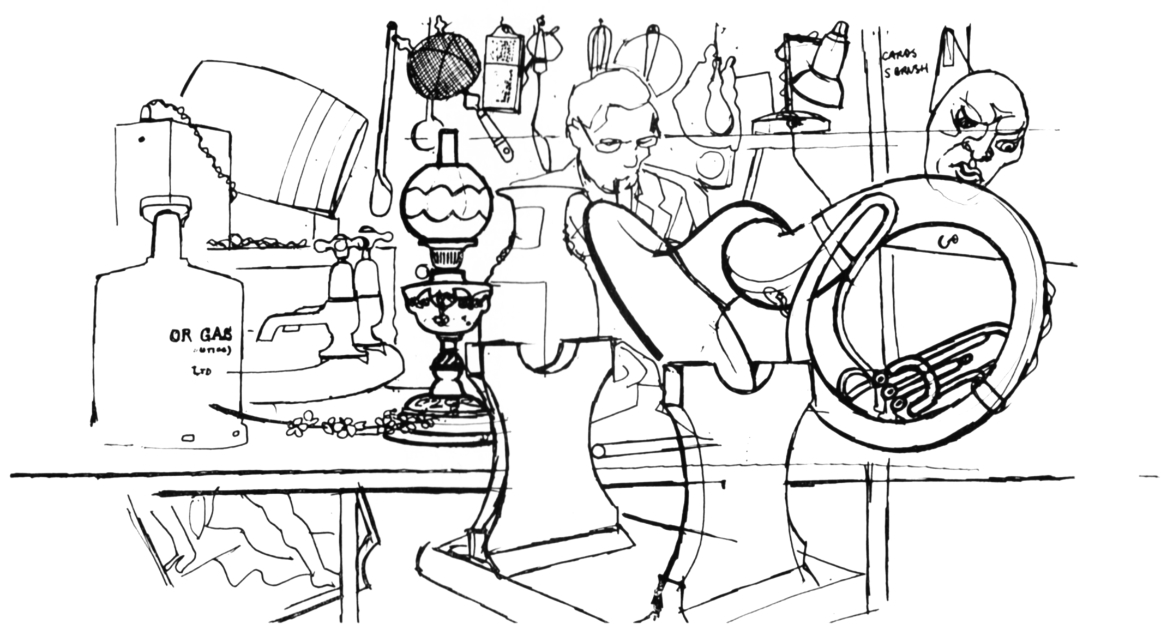
There have been many curious requests, including a length of railway track with sleepers and ballast, a model galleon to brave the wintry waters of the Thames, a tree trunk which plays like a trumpet and could be pedalled, and a futuristic invention. Animals, which we occasionally hire, arc completely unpredictable, especially where continuity is involved, for they will grow up. Firearms have their own difficulties with police and War Office permits, coupled with the fact that it is virtually impossible to fire blanks in certain types of weapons.
A lot of specially made props have to be designed and supplied. There is always a feeling of pride – mixed with relief – when they actually work, quite apart from the sense of achievement when a completed set fulfils expectations and the standard we set ourselves.
There have been lighter moments, often completely unintentional, and occasionally due to differences in Anglo-American spelling or just mistakes – skill for skull was an early example. A water j’gu, which we claimed was a type of buffalo, gave ‘I’ve Got a Secret’ an unhappy morning until it was discovered that it should have read water jug. Black for block can also make a difference when applied to ice cream. All these doubtful items have to be queried, which can sometimes take all day, while a slight doubt develops into a crisis.
During all this frantic activity Jill Ruddock, our Jill-of-all-Trades, copes with budgets and invoices and tries to keep in touch with the buyers while maintaining an air of serenity during our many moves about the building.
Next door Harry Solomons, who organises props transport, tries to hire a van to take 48 stale loaves to Wood Green, where the bears are hungry, or a lorry to return a fire engine to Sunbury. Then at Wembley and Television House there are Len Fraser and Frank Newson. This then is props buying. We have no motto except – you name it, we’ll get it … given time.
About the author
Bryn Siddall was Chief Production Buyer at Associated-Rediffusion