The Golden Star Awards
The annual company awards to staff, stars and crew in 1966
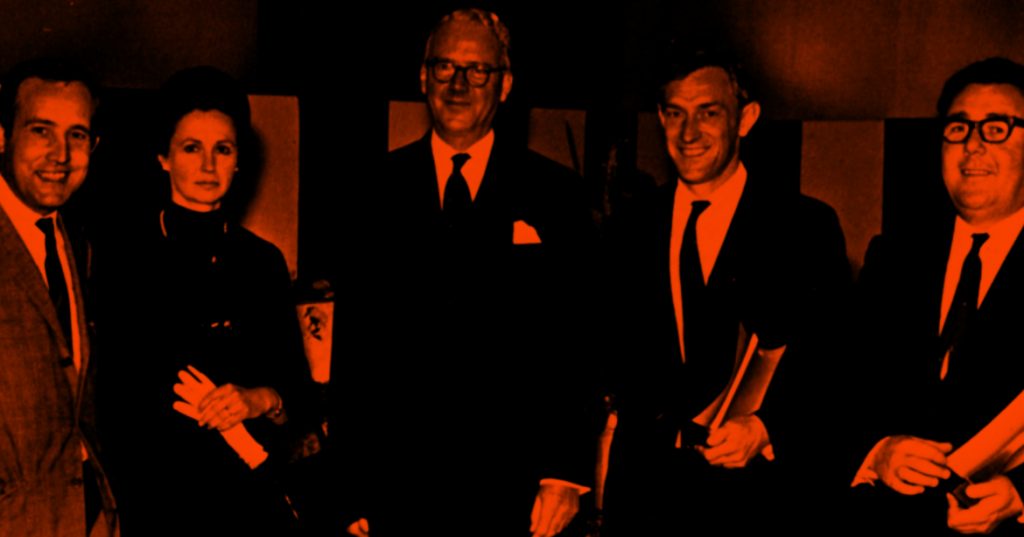
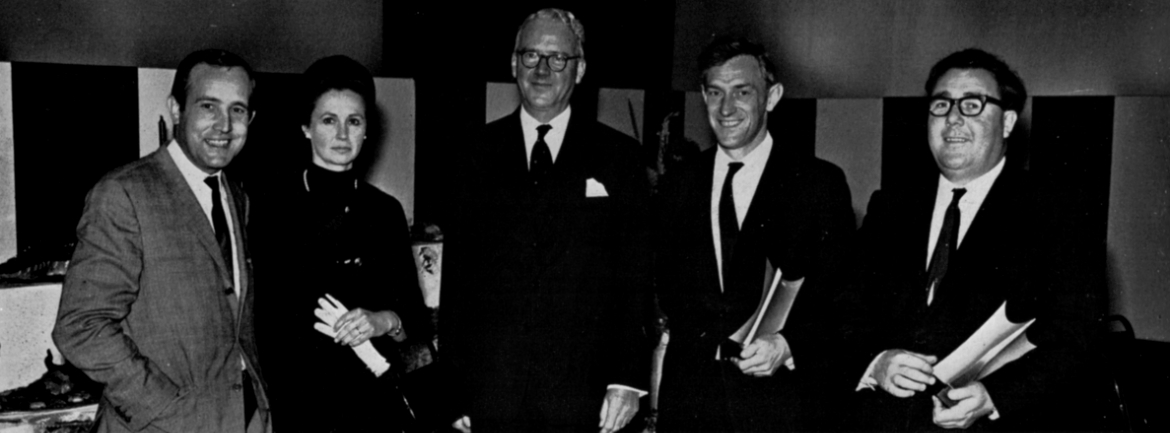
Outstanding contributions to the company’s programmes were recognised last month by the award of four £1,000 [about £16,500 in today’s money, allowing for inflation – Ed] Golden Star Awards. The awards were made by the board of directors from names nominated by the staff and recommended to the board by a preliminary selection committee. The award winners were:
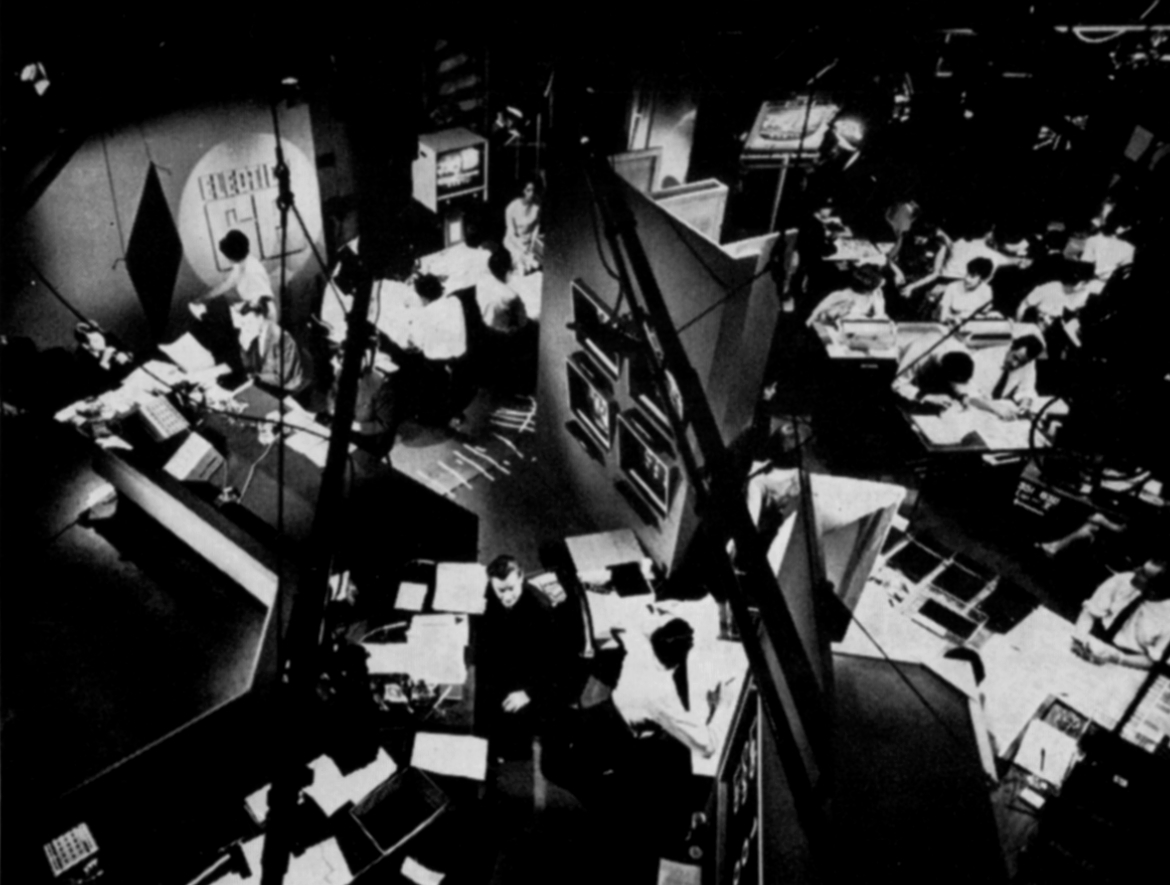
Assistant head of engineering Basil Bultitude for his creative engineering contribution to programmes, particularly ‘The General Election’ on March 31 and April 1, 1966.
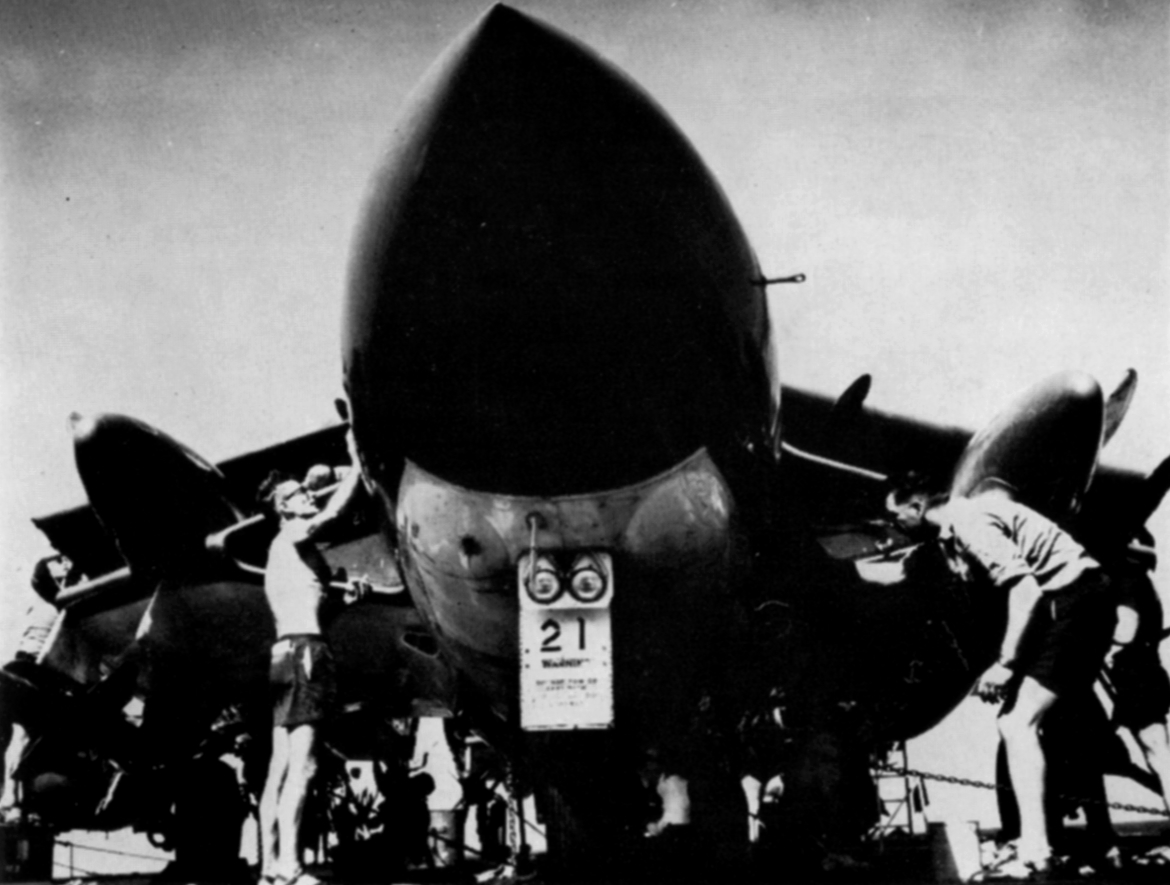
Programme director Charles Squires, M.B.E., for his direction of ‘Warship Eagle’, transmitted on July 13, 1966.
Author Paul Jones for his play ‘My Friend Corby’, transmitted as one of ‘The Seven Deadly Sins’ series on May 9, 1966. (Paul Jones died on October 30 so the award was presented to his widow.)
Actor Ian Hendry for the regularly high standard of his performance in the leading role in ‘The Informer’ series transmitted between August 1 and September 19, 1966.
Another award made last month went to Grahame Turner from the Guild of Television Producers and Directors for his work as one of the two executive producers on the television coverage of the World Cup. In addition, Alastair Burnet won the Richard Dimbleby Award for his work on a number of programmes including the Rediffusion productions of ‘This Week’, ‘Pay and Prices – the Crunch’ and ‘Division’.
BASIL BULTITUDE was born in October 1927 in Bangor, C. Down, N. Ireland. In 1943 he joined the BBC as a trainee engineer working in sound control in Belfast, Glasgow and Broadcasting House, London, and eventually became senior maintenance engineer at Aldenham. He was transferred to the BBC Television Service at Alexandra Palace in 1949 where he worked in vision control, telecine and maintenance. From there he went to Lime Grove, was promoted to assistant to superintendent engineer, BBC Television Service, and spent two years engaged in the design of the Television Centre.
In 1958 he joined Rediffusion Television as assistant head of engineering and still holds that post. He has acted as co-ordinating engineer for ITV on such programmes as Princess Margaret’s Wedding, the general election and the State Funeral of Sir Winston Churchill and as the ITV engineering representative to the BBC/ITV World Cup Consortium.
He is married with two children.
CHARLES RICHARD SQUIRES, M.B.E. Born February 13, 1928. Joined the film cutting room of the Crown Film Unit in 1942. Served in the Royal Navy for two years as a telegraphist. Left Navy in 1948 and returned to the film industry. Worked as first assistant editor, assembly editor and film editor at Shepperton, Denham and Pinewood Studios.
Joined Rediffusion Television in November, 1955 as a film editor. Main productions he worked on were the major documentaries: ‘Tyranny’, ‘Israel Rises’, ‘Two Faces of Japan’, ‘The Quiet War’, ‘One Man’s Hunger’ and ‘Watch on the Mekong’. Also produced the ‘Take Four’ film and music items.
Appointed programme director in 1965. Directed such documentaries as ‘Beat City’, ‘Airport’ and ‘The Grafters’, ‘Paradise Street’, ‘Walk Down Any Street’ and ‘H.M.S. Eagle’. Awarded M.B.E. in Queen’s Birthday Honours List, 1965.
Married with two children, a son aged 15, and a daughter aged 12.
PAUL JONES was born in Hampstead on September 28, 1921. As a freelance writer he produced scripts for the BBC and also the West End. He wrote television plays exclusively for Rediffusion from 1958. They included ‘Fate and Mr. Browne’, ‘The Problem of Girlfriends’, ‘The Two-Seater Bachelor Days’ and ‘A Couple of Dry Martinis’.
An actor before he became a playwright, Paul Jones had his first play ‘Birthday Honours’ produced at the Criterion Theatre in the West End in 1953. Of his work Maurice Wiggin, television critic of The Sunday Times, commented in 1964: ‘He never wrote a dull play yet’.
Paul Jones died on October 30, 1966. He left a widow and one son.
IAN HENDRY was born in Ipswich, Suffolk on January 13, 1931. He started his career in auctioneering and estate management but at the age of 22 turned to acting and trained for three years at the Central School of Speech and Drama.
His first professional engagements were in repertory at Hornchurch and Worthing. Later he played at Oxford where he took part in Anouilh’s ‘Dinner with the Family’ which transferred to the West End. He played in such films as ‘Simon and Laura’, ‘The Secret Place’, ‘Room at the Top’ and ‘Live Now, Pay Later’. Since then he has appeared in ‘Girl in the Headlines’, ‘This is my Street’, ‘The Beauty Jungle’, ‘Repulsion’, ‘The Hill’ and ‘Casino Royale’.
I lis first lead in a television series was in i960 when he appeared in ‘Police Surgeon’, playing Dr. Geoffrey Brent, a character which in 1961 was developed into Dr. David Keel, one of the leading parts in ‘The Avengers’, which he also played.
He is married to actress Janet Munro and they have a daughter.
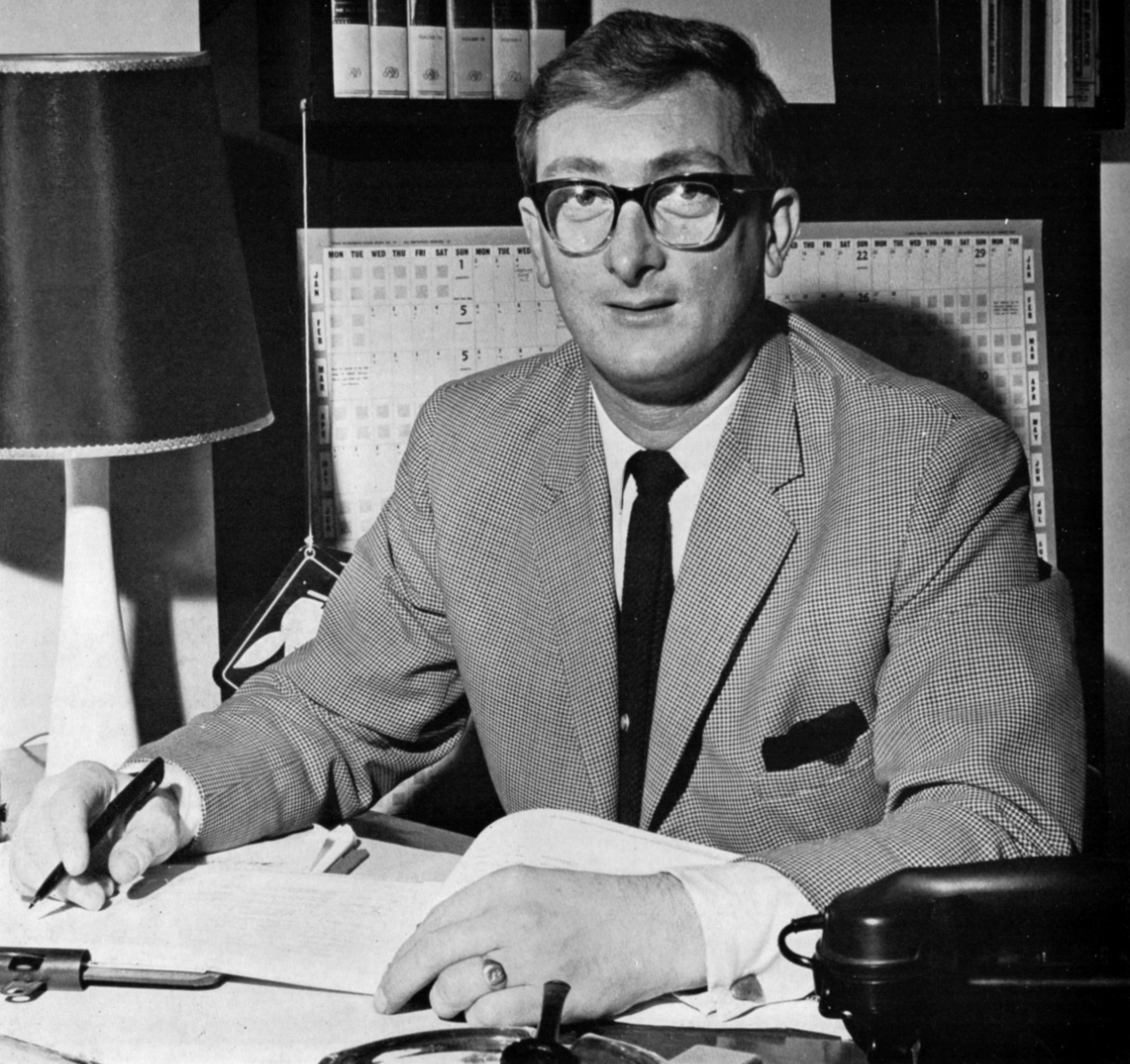
GUILD OF TELEVISION PRODUCERS AND DIRECTORS AWARD
Grahame Turner born September 1927 in Westminster, he joined the BBC as control room engineer in 1944 and in 1948 was transferred to BBC Television. Later he joined BBC outside broadcasts at their Wembley headquarters. As a cameraman with the BBC be covered a wide range of O.B.’s from the ‘Coronation’ to the ‘Cup Final’.
At the start of Independent Television in 1955 he joined Rediffusion Television as senior cameraman, outside broadcasts. In 1958 be became a programme director and directed a wide variety of programmes including Sir Winston Churchill’s State Funeral and major sporting events such as The Derby and Wimbledon. In 1964 be was appointed producer for the ITV coverage of the 1964 Olympic Games in Tokyo and in 1967 was appointed Senior producer for Rediffusion’s outside broadcasts. He and Alan Chivers of the BBC were joint executive producers on the World Cup.
About the author
'Fusion' was the quarterly staff magazine for Associated-Rediffusion and Rediffusion Television employees.